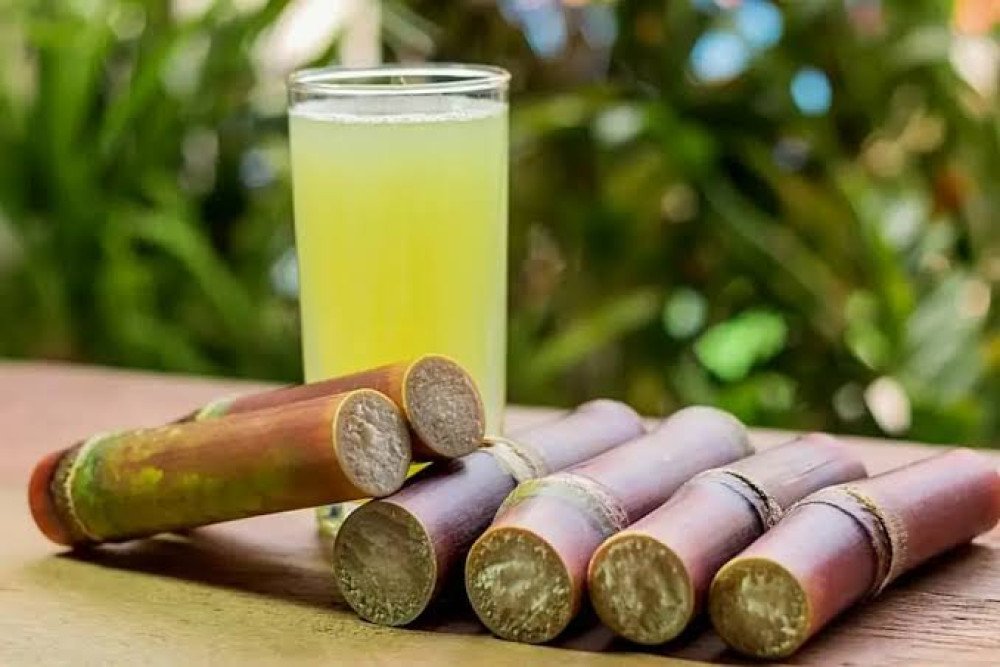
I’m sure I once told you the story about how my brother switched my sugarcane with Napier grass.
I was young. Excited. Expecting sweetness.
Then I bit into what I thought was miwa and immediately realised betrayal has a taste.
Dry. Fibrous. Confusing.
My brother laughed. I cried. Childhood carried on.
But strangely enough, that small memory stayed with me. Because years later, I found myself thinking about sugarcane again; not just as something we chew by the roadside, but as one of the most important grasses humanity has ever grown.
And once I started researching it, I realised sugarcane is not just sugar.
It is migration. Empire. Labour. Medicine. Ritual. Addiction. Celebration.
A simple grass somehow managed to shape entire economies, cultures, and cuisines.
So naturally… I went down the rabbit hole.
And this is part of what I found.
Rich World History - From Papuan Gardens to Global Sugar Bowls
Picture a humid morning in coastal New Guinea around 6,000 BCE.
A hunter snaps a thick grass stem, chews it absent-mindedly, and suddenly his mouth floods with sweetness.
Not berry sweetness.
Not honey sweetness.
Something cleaner. Fresher. Almost shocking.
He plants part of the stalk in damp soil nearby.
Without knowing it, humanity’s relationship with sugar has just begun.
That grass was Saccharum officinarum - the ancient ancestor of modern sugarcane.
By 3,500 BCE, sugarcane had already travelled through island trade routes into Indonesia and the Philippines. Islanders fermented the juice into ceremonial drinks used during ancestor rituals and celebrations.
Around 1,000 BCE, Indian farmers learned how to boil and crystallise cane juice into small golden granules.
The Sanskrit word 'arkar' meaning “gravel” or “small stones” eventually became the root of the modern word 'sugar'.
India did not just grow sugarcane.
It taught the world how to process sweetness.
Persian royalty poured cane syrup over mountain snow centuries before modern ice cream existed.
Human beings truly waste no time once sweetness enters the equation.
By the 8th century, Arab traders had spread sugarcane across North Africa and the Mediterranean, building some of history’s earliest industrial sugar mills.
Sugar slowly transformed from rare medicine into luxury.
Then luxury into obsession.
Thus came: The colonial sugar explosion
In 1493, Christopher Columbus carried sugarcane to the Caribbean.
What followed changed global history permanently.
Entire plantation economies emerged around sugar production, powered through the forced labour and suffering of enslaved Africans.
Sugar became “white gold”.
Tea needed sugar.
Coffee needed sugar.
Chocolate needed sugar.
Europe’s appetite grew faster than morality.
By the 1800s, sugarcane had reshaped global trade, labour systems, and agriculture.
And today?
More than 1.9 billion tonnes of sugarcane, are produced annually worldwide.
Not just for sugar - but also:
- Molasses
- Ethanol
- Rum
- Animal feed
- Syrups
- Juice
- Biofuel
All from one tall tropical grass.
Africa’s Sugarcane Story - Region by Region
Sugarcane may not have originated in Africa, but Africa absolutely made it its own.
East & Central Africa
Kenya: where chewing sugarcane became a childhood norm. Few things feel more Kenyan than seeing fresh miwa sold beside roads, bus stages, or school gates.
Coastal Swahili traders introduced sugarcane centuries ago, and over time it became woven into daily life.
In western Kenya, sugar estates transformed entire towns, Mumias, Chemelil, Sony, Muhoroni, turning sugarcane into both livelihood and political conversation.
Ethiopia: Portuguese missionaries introduced cane into the Awash Valley in the 1500s.
Today, sugarcane is chewed during long church gatherings, especially during fasting seasons.
Rwanda & Burundi: Highland farmers grow dwarf cane varieties used to sweeten banana beers and fermented drinks.
Bicycle-powered presses still squeeze fresh cane juice in local markets.
Southern Africa
South Africa: Sugarcane flourished under British colonial agriculture in KwaZulu-Natal.
Today Durban’s beachfront remains famous for fresh cane juice blended with ginger and lime - fiery, refreshing, almost medicinal.
Mozambique: The Incomati Valley became one of southern Africa’s major cane-growing regions.
Fresh sugarcane still fills Maputo street markets today.
Zimbabwe: For many schoolchildren, sliced sugarcane remains nature’s cheapest sweet.
No wrapper needed.
North Africa
Egypt: Sugarcane arrived through Arab trade routes and quickly became part of daily life.
Today, fresh juice stalls are common in Cairo streets, especially during Ramadan.
Morocco: Some palace tea traditions still include fresh cane syrup instead of processed sugar.
A softer sweetness.
Less sharp.
Almost floral.
West Africa
Nigeria: Northern irrigation projects expanded cane farming significantly in the 1970s.
Today, roadside juice vendors crush cane to extract the juice, often adding cloves, ginger, or lime, to create an amazingly savory drink!
Ghana: Fresh cane juice is used in traditional festive drinks like 'asana'.
Senegal: Beach cafés muddle sugarcane with mint and citrus into refreshing alcohol-free coolers.
From Candy to Clinic - Medicinal Uses
For all its sweetness, sugarcane has long existed beyond dessert.
Traditional communities used different parts of the plant medicinally long before laboratories arrived.
Traditional preparations
- Fresh cane juice for hydration
- Cane syrup for coughs
- Molasses tonics for weakness
- Burned cane ash for wounds
Simple preparations, yet everyday medicine.
What science is now exploring
1. Quick energy support
Sugarcane provides rapidly available carbohydrates, making it popular among athletes and labourers.
Many Kenyan runners still chew cane after training.
2. Electrolyte replenishment
Fresh juice contains potassium, magnesium, and natural sugars useful during heat exhaustion.
3. Cough soothing
Warm cane syrup coats irritated throats similarly to honey.
4. Molasses and minerals
Blackstrap molasses contains:
- Iron
- Magnesium
- Calcium
- Potassium
Historically, many communities used it during recovery periods and fatigue.
5. Mood & comfort
Sweet foods trigger dopamine release in the brain.
Which explains why bad days somehow improve slightly when chewing sugarcane.
Safety notes
Sugarcane juice is naturally high in sugars.
People managing diabetes should consume it carefully and ideally alongside meals.
Fresh juice also ferments quickly in heat, so it’s best consumed fresh or refrigerated immediately.
Sugarcane Products in Today’s Market
Sugarcane is no longer just something sold in roadside chunks.
Modern markets now use sugarcane in many forms.
Fresh & traditional forms
- Fresh sugarcane stalks
- Fresh cane juice
- Cane syrup
- Molasses
- Jaggery
Industrial products
- Refined sugar
- Brown sugar
- Ethanol
- Biofuel
- Animal feed
Wellness & specialty products
- Cold-pressed cane juice
- Organic molasses
- Cane vinegar
- Sugarcane fibre packaging
- Natural sweeteners
Thus one grass.
Hundreds of industries.
From Field to Fork - Culinary Uses
Sugarcane is deeply versatile.
Not always obvious. But versatile.
Simple modern uses
1. Fresh cane juice
Blend with:
- Tangawizi
- Lime
- Mint
- Pineapple
Instant tropical energy.
2. Cane skewers
Use peeled sugarcane sticks for grilling meat or tofu. The heat releases sweetness slowly into the food.
3. Molasses barbecue glaze
Blackstrap molasses creates rich smoky sauces perfect for nyama choma marinades.
4. Cane mocktails
Fresh juice + soda water + mint + lemon.
Simple. Refreshing. No refined sugar needed.
DIY Fresh Sugarcane Juice at Home
No industrial machine needed.
Simple method
1. Peel the hard outer skin.
2. Chop cane into small chunks.
3. Blend with a little water.
4. Strain through cloth or sieve.
5. Add lime or ginger.
6. Chill and serve immediately.
Fresh. Sweet. Alive.
Sugarcane (miwa) is far more than a source of sugar. From ancient Papuan gardens to Kenyan roadside stalls, this remarkable grass has shaped trade, medicine, agriculture, and culture across the world. Rich in natural sugars, minerals, and culinary versatility, sugarcane remains one of humanity’s most influential plants; sweetening everything from tea cups to entire economies.

Add your reply
Replies